Valorant, What "Low Cortisol Aim" Actually Means for Your Aim
You can order the same kind of articles for your own video to boost it on YouTube and Google. Just message the Telegram bot @sat_sit_bot. It writes articles around your video, embeds the video and publishes them on popular niche websites (no ads). Free trial — 50 articles.
· based on the channel Rawzu
Key takeaways
- Rawzu's Valorant setup: 400 DPI, 0.625 sensitivity, 1440x1080 resolution, crosshair 1-6-2-2.
- Peripherals: Logitech G Pro X Superlight 2, Artisan Zero Soft mousepad, Zowie XL2566K 360Hz monitor.
- Phoenix is an offensive duelist whose Blaze wall blocks vision and damages, while Curveball blinds enemies around corners.
- The "low cortisol aim" idea: calm, low-stress aiming with smooth movement instead of frantic flicks.
- Rawzu's video also promotes PC optimization via hone.gg and original music on Spotify.
Valorant is a tactical 5v5 shooter where aim and movement decide duels, and "low cortisol aim" describes a calm, low-stress approach to aiming that keeps your crosshair steady and your decisions clean. In practice, that means relying on crosshair placement, smooth movement, and controlled bursts rather than frantic flicks. Rawzu's video "low cortisol aim.." shows this style on Phoenix, and you can optimize your PC for Valorant today via hone.gg/a/rawzu to keep frame times stable.
What "low cortisol aim" means in Valorant
Low cortisol aim is the opposite of panic aiming: you keep your mouse hand relaxed, pre-aim common angles, and let the enemy walk into your crosshair. In Valorant, where a single headshot from a Vandal or Phantom ends a duel, calm crosshair placement beats reactive flicks. The term borrows from the stress hormone cortisol — the idea is that a relaxed player makes cleaner micro-adjustments and tracks targets more consistently. Rawzu's gameplay on Phoenix leans on this: steady angles, short bursts, and movement that supports the shot instead of fighting it.
Rawzu's settings and why they support calm aim
Rawzu's Valorant setup is built for consistency: 400 DPI with 0.625 in-game sensitivity, a 1440x1080 resolution, and a crosshair coded 1-6-2-2. The mouse is a Logitech G Pro X Superlight 2 on an Artisan Zero Soft mousepad, paired with a Zowie XL2566K 360Hz monitor. A lower sensitivity gives you more control over micro-adjustments, while a high refresh rate monitor reduces motion blur and makes tracking smoother. The 1440x1080 resolution stretches the image slightly, which can make enemies appear wider and easier to hit — a common choice among players who prefer a more stable visual field.
Phoenix gameplay: how the duelist fits a calm aim style
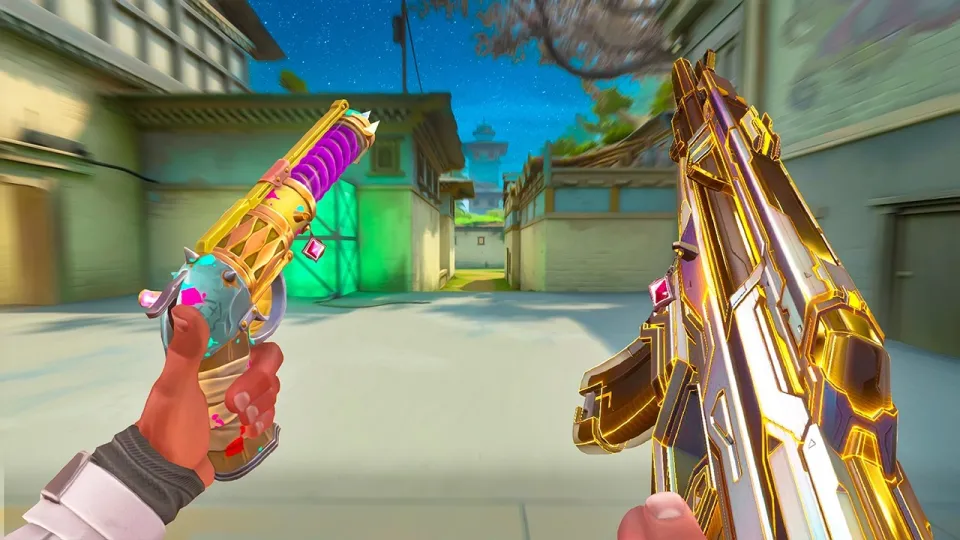
Phoenix is an offensive duelist who specializes in hunting enemies while crippling their ability to fire back. His Blaze ability creates a wall that blocks vision and deals damage, letting Phoenix sneak past defended open areas, while Curveball blinds enemies even when they are hiding behind corners. Hot Hands and the Run it Back ultimate make Phoenix very durable, so aggressive players can take duels and reset. For a low-cortisol aim style, Phoenix works because his flashes and walls let you control the engagement — you decide when to peek, and your aim stays relaxed instead of reactive.
Common questions from Rawzu's comments
Viewers often ask about the unusual moments in the video, like the timestamp where Rawzu says something unclear, or the clip where a player appears in an unexpected position. These moments are typical of Rawzu's edited style, which mixes gameplay with meme-worthy cuts. Another common theme is movement: several comments praise Rawzu's movement as much as his aim, noting that smooth strafing and counter-strafing make his shots look effortless. If you want to replicate that, practice counter-strafing in the Range and focus on stopping before you shoot. The "hood warfare" joke in the comments refers to the chaotic, close-range fights that sometimes break out in ranked — a reminder that calm aim still needs adaptation when fights get messy.
Practical steps to build low-cortisol aim
- Lower your sensitivity to a range where you can track a moving target without overcorrecting — Rawzu's 400 DPI and 0.625 is a good reference point.
- Warm up with 10 minutes of calm tracking and crosshair placement drills in the Range, not flick shots.
- Use Deathmatch to practice pre-aiming angles and stopping before you shoot.
- Keep your mousepad clean and your grip relaxed; tension in your hand translates to shaky aim.
- Review your VODs for moments where you panicked — those are the duels to rebuild with a calmer approach.
Useful links
Final thoughts
Low-cortisol aim in Valorant is about reducing unnecessary tension and letting crosshair placement and movement do the work. Rawzu's Phoenix gameplay demonstrates that a calm approach can still be aggressive when you use abilities to control duels. The settings he shares — 400 DPI, 0.625 sensitivity, 1440x1080, and a 1-6-2-2 crosshair — are a solid starting point for players who want more consistency. If you want to support the channel and improve your setup, use hone.gg/a/rawzu to optimize your PC for Valorant. Rawzu's channel is the author of this breakdown, and his second channel and Discord are linked above for more content.
Questions & answers
What does "low cortisol aim" mean in Valorant?
"Low cortisol aim" refers to a calm, low-stress aiming style where you rely on crosshair placement and smooth movement instead of frantic flicks. The term is a playful reference to the stress hormone cortisol, suggesting that staying relaxed leads to more consistent shots.
What sensitivity and settings does Rawzu use in Valorant?
Rawzu uses 400 DPI with 0.625 in-game sensitivity, a 1440x1080 resolution, and a crosshair code of 1-6-2-2. His mouse is a Logitech G Pro X Superlight 2 on an Artisan Zero Soft mousepad, and he plays on a Zowie XL2566K 360Hz monitor.
Why do viewers comment on Rawzu's movement?
Many viewers notice that Rawzu's movement is as impressive as his aim, with smooth strafing and counter-strafing that make his shots look effortless. Good movement supports calm aim because you stop before shooting and avoid unnecessary mouse adjustments.
How can I improve my aim in Valorant using the low-cortisol approach?
Start by lowering your sensitivity to a controllable range, warm up with tracking and crosshair placement drills, and practice stopping before you shoot in Deathmatch. Review your VODs for panicked duels and rebuild those situations with a calmer, more deliberate approach.
Source: low cortisol aim.. · Markdown version